Koshine KX-826 Review: Does It Really Work for Hair Loss? (2026 Analysis)
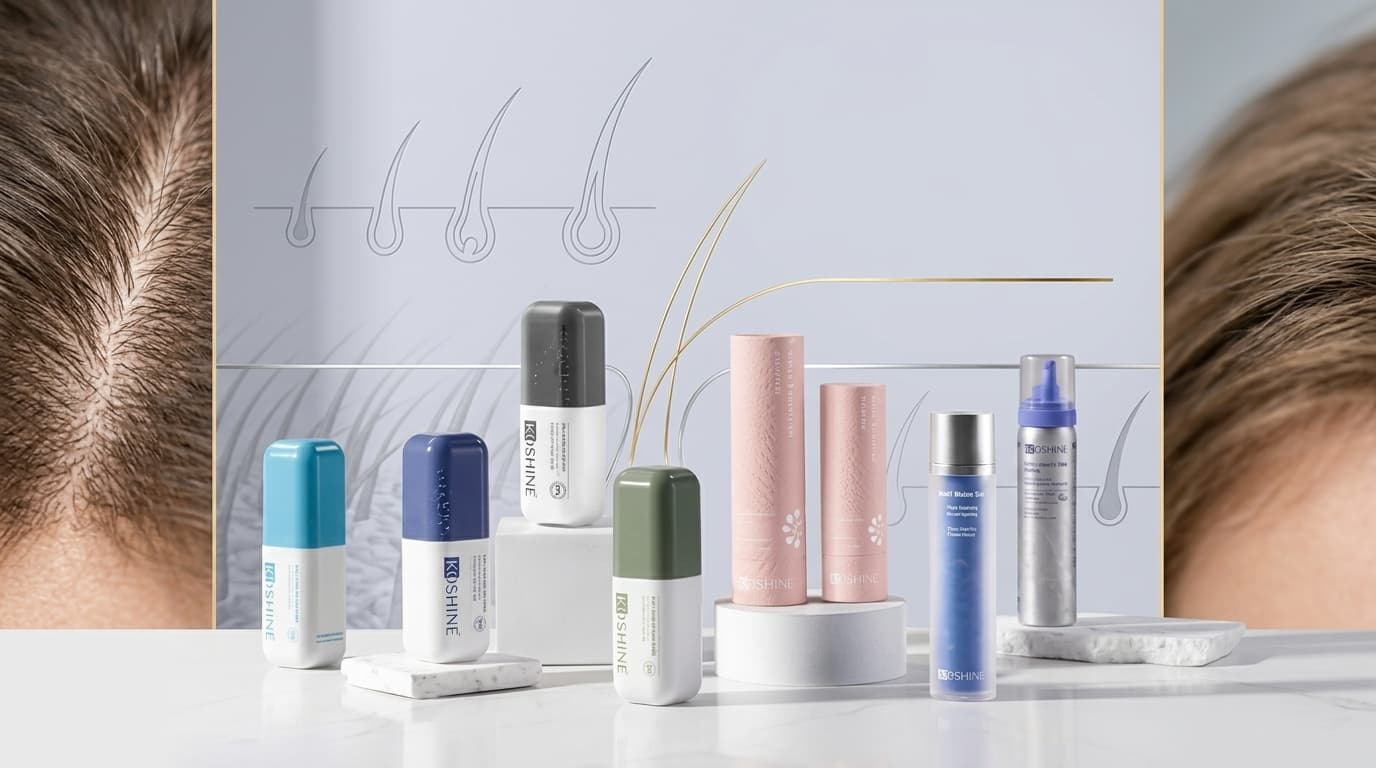
Introduction to Koshine KX-826
In the ever-evolving landscape of hair loss treatments, the search for a safe, effective, and non-hormonal solution remains a top priority for millions of Americans. As of 2026, the discussion surrounding Koshine KX-826—also known as pyrilutamide—has reached a fever pitch. With traditional treatments like finasteride and minoxidil often carrying the burden of systemic side effects or demanding daily application routines, the promise of a localized androgen receptor antagonist has captured the attention of the hair-loss community. But does it truly work, or is it another case of internet hype outpacing clinical reality?
This comprehensive review aims to dissect the science, the anecdotal evidence, and the current market standing of KX-826 in 2026. Whether you are battling male pattern baldness or simply looking for the next frontier in dermatological advancements, understanding the mechanism of this compound is essential before you decide to invest your time and money.
Understanding the Science: How KX-826 Functions
To understand why Koshine KX-826 is causing such a stir, we must first look at the biological cause of androgenetic alopecia. In the United States, millions of men and women suffer from the effects of dihydrotestosterone (DHT) binding to androgen receptors in the hair follicle. This binding process leads to follicle miniaturization, where hair strands become thinner, shorter, and eventually cease to grow entirely.
Traditional treatments like finasteride work by inhibiting the enzyme 5-alpha-reductase, which reduces overall systemic DHT levels. While effective, this can lead to hormonal imbalances in some individuals. KX-826 takes a different approach. It acts as a topical androgen receptor antagonist. By competing with DHT for space on the receptor, it theoretically prevents the miniaturization signal from reaching the follicle without necessarily lowering the total amount of DHT in your bloodstream.
In 2026, clinical trials have further refined our understanding of this process. The drug is formulated to be highly localized, meaning it stays at the site of application. This is the holy grail for dermatologists: a treatment that targets the hair loss at the root cause without systemic hormonal interference.
The Clinical Data: What the Studies Say in 2026
As we navigate through 2026, the data regarding KX-826 has become significantly more robust. Early trials showed promise, but modern, large-scale studies have provided the clarity that prospective users have been waiting for. The primary focus of these studies has been the efficacy of the 0.5% concentration applied twice daily.
Results from the 2026 clinical data indicate that participants using KX-826 saw a statistically significant increase in non-vellus hair count compared to the placebo group. While it may not provide the explosive growth seen in high-dose minoxidil users, it offers a steady, reliable maintenance and regrowth profile that is highly attractive for those who cannot tolerate systemic anti-androgens.
Furthermore, the safety profile has remained remarkably clean throughout 2026. Reported side effects remain minimal, consisting mostly of localized skin irritation, which is common with any topical solution containing alcohol or propylene glycol carriers. There is no evidence of the systemic hormonal issues that often plague oral hair loss medications, making it a compelling candidate for long-term use.
Comparing KX-826 to Minoxidil and Finasteride
It is impossible to discuss Koshine KX-826 without comparing it to the 'Big Two' of hair loss treatment: Minoxidil and Finasteride. In the United States, these remain the gold standard, but they are not perfect. Minoxidil, for example, is a vasodilator that encourages blood flow but does nothing to stop the underlying hormonal attack on the follicle. Finasteride stops the attack but brings the risk of sexual side effects that many men find unacceptable.
KX-826 fills a unique niche. It acts as a bridge. It provides the hormonal protection of a blocker without the systemic risks of a pill. When used in combination therapy, many users in 2026 are reporting that they can lower their dose of traditional oral medications, thereby mitigating side effects while maintaining their hair density.
However, it is important to manage expectations. KX-826 is not a 'cure' that will regrow a full head of hair on a completely bald scalp. Its best results are seen in those who are currently experiencing thinning or who have early-to-mid-stage androgenetic alopecia. It is, above all, a powerful maintenance tool.
Practical Application and Routine
If you decide to incorporate KX-826 into your regimen in 2026, consistency is the name of the game. The current standard protocol involves applying the topical solution to the affected areas twice daily—once in the morning and once in the evening. Because it is a topical, it needs to be applied directly to the scalp, not the hair, to ensure proper absorption.
Many users find that applying it after a shower, when the scalp is clean and slightly damp, improves absorption. However, you must wait for the scalp to dry slightly to prevent the medication from running down your forehead. In 2026, the community has also developed various 'hacks' for application, such as using specialized droppers or silicone scalp scrubbers to ensure even distribution. Always remember to wash your hands thoroughly after application to prevent accidental contact with other skin areas.
The Cost and Accessibility in the United States
As of 2026, acquiring Koshine KX-826 has become easier for US residents, though it still falls into a grey area compared to FDA-approved medications. Because it is still in the late stages of approval and distribution in many regions, most Americans are sourcing it through specialized research chemical suppliers or international pharmacies that cater to the US market.
The cost varies significantly. On average, a monthly supply can range from $60 to $120, depending on the supplier and the concentration purchased. While this is more expensive than generic finasteride, many users justify the price tag as a 'premium' for the reduced risk of side effects. It is vital to research your supplier carefully. In 2026, the rise of counterfeit products has made it essential to only purchase from reputable vendors who provide third-party purity testing results.
Potential Side Effects and Safety Considerations
Safety is the primary reason for the popularity of KX-826. In 2026, the consensus among dermatological researchers is that the drug is well-tolerated. Unlike oral blockers, which circulate throughout the entire body, the topical nature of KX-826 ensures that the androgen receptor blockade is localized. This is a massive advantage for individuals who have tried finasteride or dutasteride and experienced negative reactions.
That said, it is not without potential for minor issues. Some users have reported 'shedding' during the first 4 to 8 weeks of use. This is a common phenomenon with hair loss treatments, where the follicles are pushed into a new growth cycle, shedding the old, miniaturized hairs to make room for stronger ones. Do not be alarmed if this happens; it is usually a sign that the medication is working. If you experience persistent redness, itching, or burning, it may be an allergic reaction to the carrier solvent, and you should consult a healthcare professional immediately.
The Future of Hair Loss: Where Does KX-826 Fit?
Looking toward the end of 2026 and beyond, KX-826 represents a shift toward targeted, personalized medicine in the hair loss industry. We are moving away from 'one-size-fits-all' pills and toward specialized topicals that address the specific biology of the hair follicle. The success of KX-826 has paved the way for a new generation of androgen receptor degraders and other advanced compounds currently in development.
For the average person in the United States, the availability of these treatments means more agency over their health. You no longer have to choose between keeping your hair and maintaining your hormonal health. By utilizing tools like KX-826, you can create a customized strategy that fits your lifestyle, your biology, and your goals.
Frequently Asked Questions
Is Koshine KX-826 FDA approved in 2026? While it has undergone extensive clinical testing, it is currently in the late stages of regulatory review for broad market availability in the US.
Can women use KX-826? Yes, the mechanism is generally applicable to women, but it is always recommended to speak with a physician, especially if you are pregnant or nursing, due to the hormonal nature of the drug's target.
How long until I see results? Most users start to notice a reduction in shedding by month 3, with visible density improvements becoming apparent between months 6 and 9.
Does it interact with other medications? There is currently no evidence of significant negative interactions with common hair loss treatments like minoxidil or ketoconazole shampoo.
Conclusion: Is It Worth the Hype?
In conclusion, Koshine KX-826 is not a miracle cure, but it is a highly effective, scientifically backed tool for those battling hair loss in 2026. Its ability to inhibit androgen receptors locally without systemic hormonal side effects makes it a standout option in a crowded market. If you are struggling with the side effects of traditional treatments or are looking for a powerful addition to your current routine, KX-826 is certainly worth considering.
However, as with any medical decision, you must approach it with caution. Research your sources, monitor your health, and maintain realistic expectations. Hair loss is a long-term battle, and consistent, well-informed choices are your best weapon. By staying up to date with the latest 2026 developments, you are already one step ahead in the fight to preserve your hair for years to come.
Ultimately, the decision to use KX-826 should be made in consultation with a qualified dermatologist who can evaluate your specific type of hair loss. Do not rely solely on online forums or anecdotal reviews. While the data is promising, individual results will always vary based on genetics, lifestyle, and the stage of your hair loss. If you choose to proceed, start slow, track your progress with high-quality photographs, and be patient. The science of hair restoration has come a long way, and in 2026, we have more options than ever before to reclaim our confidence and our hair.
Final thoughts for those in the US market: look for transparency in testing. If a company is selling KX-826, they should be able to provide a Certificate of Analysis (COA) for the specific batch you are purchasing. This simple step can save you from low-quality products and ensure that you are getting exactly what you are paying for. Stay informed, stay consistent, and take control of your hair health with the best tools available in 2026.
The landscape of hair loss treatment is rapidly changing. While we wait for more definitive, large-scale long-term studies to be published, the current consensus is that KX-826 is a safe and effective addition to the hair loss arsenal. Whether it becomes the new standard of care remains to be seen, but for now, it stands as a beacon of hope for those who have exhausted other options. Remember that the best approach is often a combination of therapies—lifestyle changes, nutrition, and targeted medical interventions. Good luck on your journey to a fuller head of hair.
Related Articles
Explore more articles you might like